You can live free from chronic pain.
Rethink your pain. Retrain your brain. Reclaim your life.
Neuroscience-based coaching to help you break the cycle of chronic symptoms and feel safe in your body again.
Living with chronic pain and symptoms is exhausting.
It can feel never-ending. I’ve been there.
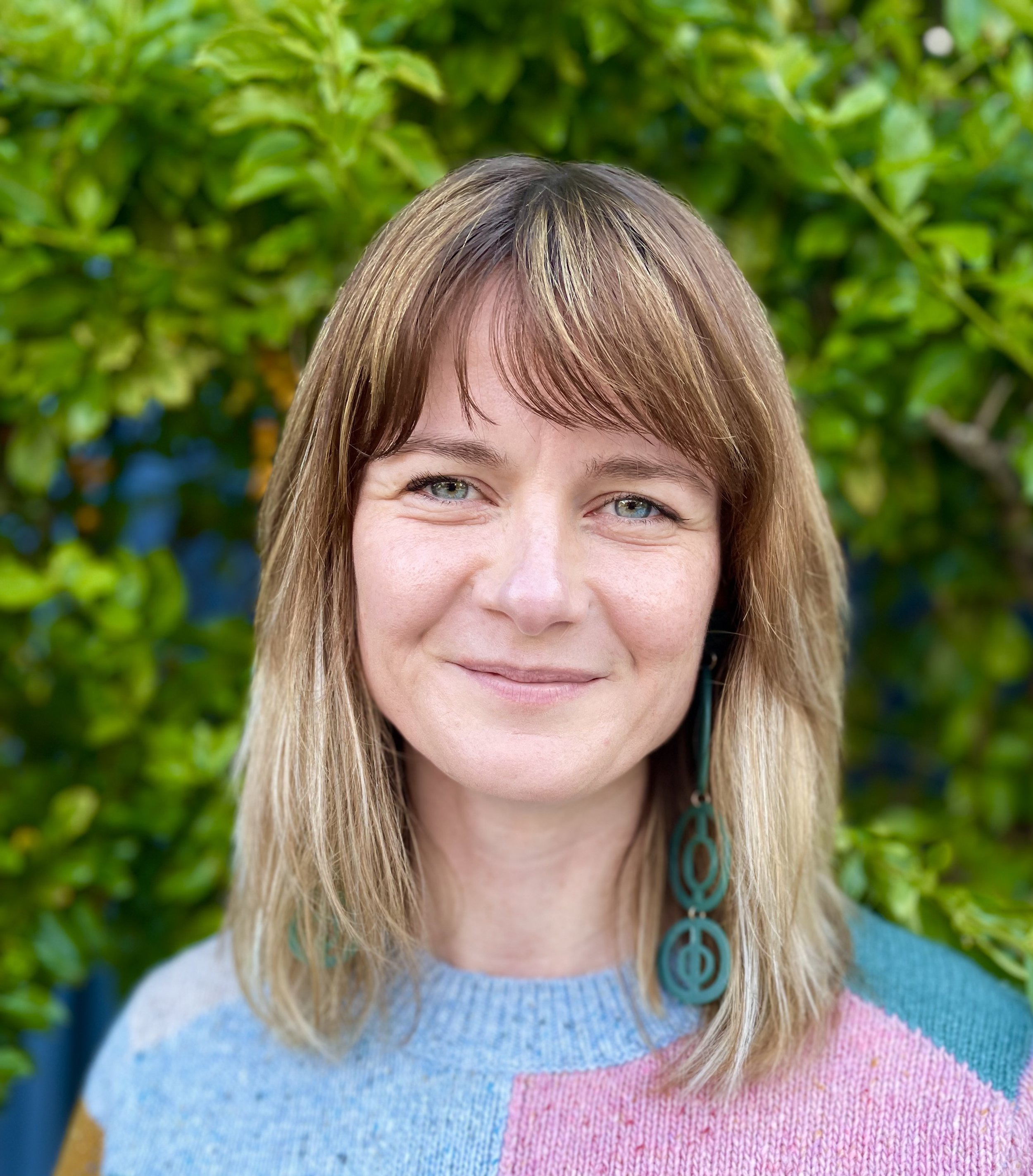
Hiya, I’m Maia.
I’m a pain recovery coach, neuroscience nerd, and former “I’ve-tried-everything” chronic pain person.
After almost 20 years of debilitating migraines, neck pain, and countless other mystery symptoms, pain science finally helped me understand what was happening — and helped me recover.
Today I combine that lived experience with postgraduate training in psychology and neuroscience, neuroplasticity practitioner training, and a professional coaching certification to support people in gently retraining their brains toward safety and relief.
I know what it’s like to feel stuck and what it’s like to feel free again.
I’d love to help you get there.
Is this you?
Confusing pain or symptoms that just won’t quit.
Test results that give vague answers or doctors who "can't find anything wrong."
Symptoms that started with an injury or illness but lingered long after they were supposed to.
Trying treatment after treatment (and maybe a few rabbit holes) without real relief.
Tired of being dismissed, told it’s “just stress” or “it’s all in your head.”
Walking on eggshells around your own body, never sure what will set things off.
Sensitive or neurodivergent, and craving an approach that actually works with your brain and nervous system.

If any of this feels familiar, you’re not alone.
Nothing about you is broken.
It may mean your brain has been stuck on high alert,
doing its best to keep you safe.
New science shows that you can rewire these patterns
and reclaim a sense of safety in your body.
All pain is real and
created by the brain.
Fun new(ish) fact: Pain is generated by the brain, not by the body part that hurts. Your brain is constantly assessing for danger and pain is like its built-in alarm system.
When your brain becomes sensitised or overprotective, it can sound the alarm even when your body is structurally safe. Think burning your toast and setting off every smoke detector in the house!
Stress, trauma, marginalisation, and chronic hypervigilance can all train the brain into this heightened state.
In this sense, there is danger being detected, but it’s emotional or contextual danger, rather than physical injury.
Good news: your brain is neuroplastic, which means it can learn new patterns, quiet the alarm, and help you feel safe in your body again.
There is hope, baby!
Get the support you need to break the cycle of chronic symptoms.
How it works
One-on-one pain recovery coaching via Zoom — anywhere in the world.

Free exploratory call
— 30 minutes —
A gentle, no-pressure chat to see if we’re a good fit.

Initial assessment
We map your symptoms and history, then connect the dots with clear, compassionate pain science.
— 90 minutes —

Coaching sessions
— 60 minutes —
We co-create your recovery at a pace your brain and nervous system can trust.

Tools & support
— ongoing —
Resources and simple practices to support you between sessions.
OK, but what is
pain recovery coaching?
Pain recovery coaching guides you in understanding why symptoms persist and how to gently retrain your brain to heal.
-
We’ll start with an assessment to see if pain recovery coaching is a good fit for you.
Along the way you’ll learn the key neuroscience behind persistent symptoms — so the whole thing feels less scary and a lot more workable.You’ll get ongoing support with tools that help you respond with less fear and more ease to physical and emotional pain.
-
Using evidence-based tools, we’ll interrupt the pain-fear cycle to rebuild trust in your body. My approach blends coaching with pain science education, brain retraining, graded exposure, Pain Reprocessing Therapy (PRT), Emotional Awareness and Expression Therapy (EAET), Internal Family Systems (IFS), and nervous system regulation practices. These therapeutic techniques are all supported by the research and clinical frameworks in this field.
-
Once routine medical tests have ruled out a structural cause (such as a tumour, disease, infection, inflammatory condition, fracture, or nerve damage), common chronic conditions that respond well to this approach include:
Back, neck, hip, wrist, knee, leg, foot, joint pain.Migraines or headaches.
Fibromyalgia.
Irritable Bowel Syndrome (IBS.)
Chronic Fatigue Syndrome (ME/CFS.)
TMJ Syndrome.
Pelvic pain.
Interstitial Cystitis
Postural Orthostatic Tachycardia Syndrome (POTS)
Repetitive Strain Injuries (RSI.)
Pain associated with disc bulges or disc degeneration.
Pain associated with an injury after the standard healing time.
Unexplained pain or illness.
And more…
Ultimately, the brain can create almost any symptom in the body. We will take a systematic approach to make sure pain recovery coaching is the right fit for you.
-
Research shows one of the key factors in recovery is connecting with someone who believes in you and your capacity to heal. I love supporting clients to realise they are not broken and there is hope.
You are welcome in this work exactly as you are.
Get in touch!
Schedule a free 1:1 chat to learn more.
FAQ
-
Yes. I’m living proof—and so are thousands of others. With the right tools, your brain is capable of incredible change.
-
Everyone’s journey is different. Some people feel shifts within a few sessions; others need longer support. We’ll go at your pace.
-
I work with people, not diagnoses. If your symptoms are chronic and confusing but medical tests are inconclusive or treatments haven’t helped, this approach could be a good fit.
-
With ongoing medical supervision from your doctor, we can still explore whether this approach might support you in reducing your symptoms.
-
Yes, my coaching helps clients with neuroplastic or brain-amplified pain and symptoms. These types of pain and symptoms are also known by several other names, including: neural circuit pain, primary pain, central sensitisation, nociplastic pain, mindbody syndrome, tms, or nervous system dysregulation. There are a lot of different camps basically saying the same thing, but if you’re confused, I get it! Let’s chat.
-
It’s totally normal to experience roadblocks on the path to recovery. Sometimes it takes a return to fundamentals or a slightly different perspective to see what’s keeping you stuck. This is what coaching is especially helpful for!
-
The most important question. Yes, I do! Her name is Whisky and she is spectactular.
Questions?
Fill in this form and I’ll get back to you.